2025 In-depth Analysis Report on Overseas Warehousing for Chinese Enterprises: Status, Drivers, Challenges and Recommendations
As of 2025, Chinese enterprises operate over 2,500 overseas warehouses with total area exceeding 30 million square meters, becoming a critical infrastructure for cross-border e-commerce and global supply chains, yet facing rising operational costs and intensified compliance risks.
I. Current Status
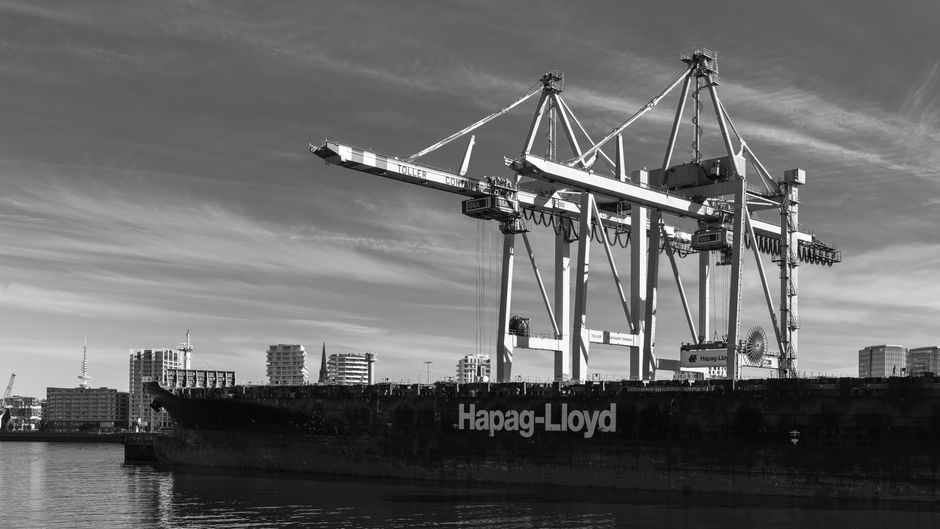
As of the first quarter of 2025, the number of overseas warehouses built by Chinese enterprises has exceeded 2,500, covering major global markets, with North America, Europe, and Southeast Asia accounting for over 80% of the total. The total area of overseas warehouses has surpassed 30 million square meters, representing a growth of approximately 150% compared to 2020. Key players include Cainiao, JD Logistics, Zongteng Group, and Wan yun tong, while numerous small and medium-sized enterprises have also deployed overseas warehouses through partnerships or self-construction.
II. Core Drivers
- Cross-border e-commerce growth: In 2024, China's cross-border e-commerce import and export volume reached 2.9 trillion RMB, up 18% year-over-year, significantly benefiting overseas warehouses as fulfillment hubs.
- Policy support: China's Ministry of Commerce and seven other departments continue to promote the "High-Quality Development Action for Overseas Warehouses," offering tax incentives, financing convenience, etc.
- Demand for supply chain resilience: Geopolitical volatility and pandemic lessons drive enterprises to increase overseas inventory buffers and shorten delivery times.
- Technology upgrades: Automated warehousing systems (AGVs, unmanned forklifts), WMS (Warehouse Management Systems), and IoT applications have improved efficiency by over 30%.
III. Challenges
- Rising operational costs: Warehouse rents in North America and Europe increase by 8-12% annually, and labor costs rise by 15% year-over-year, squeezing profit margins.
- Intensified compliance risks: Customs, tax (e.g., VAT, tariffs), data privacy (GDPR, CCPA), and environmental regulations are becoming stricter across countries.
- High management complexity: Coordinating inventory allocation, customs clearance timeliness, and return processing across multiple countries and warehouses is difficult, with insufficient IT system integration.
- Fierce competition: Logistics giants (DHL, FedEx) and local warehousing companies encroach on the market, leading to frequent price wars.
IV. Recommendations
- Optimize regional layout: Prioritize emerging markets like Southeast Asia, the Middle East, and Latin America to balance costs and market potential.
- Strengthen digital capabilities: Invest in integrated digital platforms for inventory visibility, intelligent forecasting, and automated fulfillment.
- Proactive compliance management: Establish localized legal and customs teams to adapt to regulatory changes in target countries in advance.
- Explore value-added services: Offer full-chain services such as labeling, quality inspection, repair, and return shipping to enhance customer loyalty.
- Partnerships and alliances: Deeply collaborate with local logistics providers, real estate developers, and technology vendors to reduce self-build risks.
Related content
2025 Multi-Market Customs Clearance Efficiency Comparison: China, USA, EU, Vietnam
This infographic compares the time distribution of customs clearance processes in China, the USA, the EU, and Vietnam, highlighting differences in document preparation, electronic declaration, inspection, and release.

Global Customs Clearance Efficiency Outlook 2025-2026: Automation and Compliance Challenges
Over the next two years, global customs clearance will accelerate digital transformation, with average clearance times expected to decrease by 15-20%, but rising trade compliance requirements and geopolitical factors add uncertainty.
2024 Global Top 10 Countries in Customs Efficiency

In-depth Analysis of China Enterprises' Cross-border Customs Clearance Status and Optimization Strategies in 2024
Based on public data and industry estimates, this report analyzes the key pain points and drivers of customs clearance for Chinese enterprises going global, and offers systematic optimization recommendations.