In-depth Analysis of Chinese PV Companies Going Global: Status, Drivers, Challenges, and Recommendations (2025)
Based on public data and industry estimates, this report comprehensively analyzes the status, drivers, trade barriers, and overcapacity challenges of Chinese PV companies going global, and offers strategic recommendations including technological innovation and localized deployment.
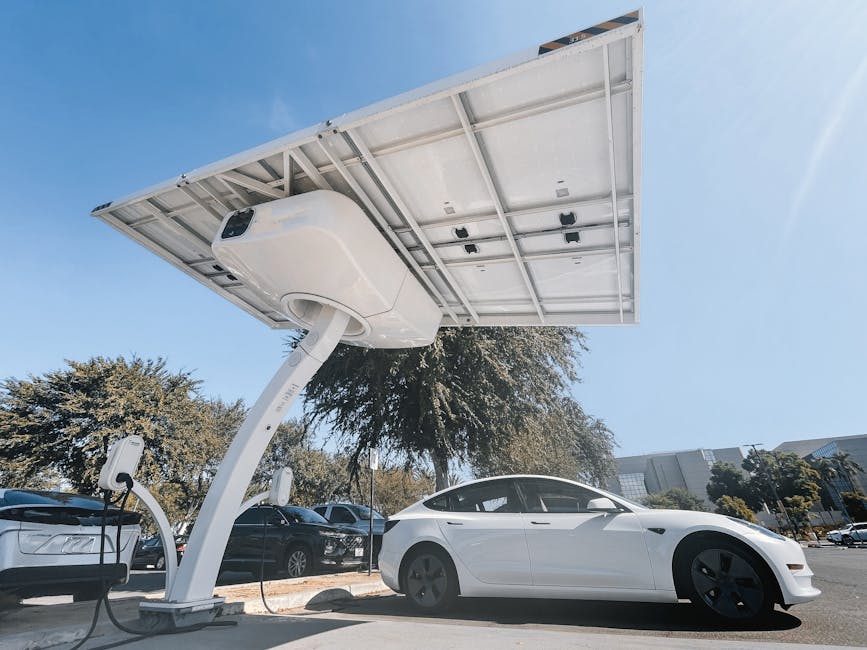
1. Status: Global Dominance and Capacity Going Global
China's PV industry holds an absolute dominant position globally. In 2024, China produced about 500GW of PV modules, accounting for over 85% of the world's total. Leading companies such as Longi, Jinko, Trina, and JA Solar are building overseas production bases in Southeast Asia, the Middle East, and the United States to circumvent trade barriers and get closer to markets. In 2024, China exported about 240GW of PV modules, with major markets in Europe (40%), Asia-Pacific (30%), and the Americas (20%). However, as global PV installation growth slows (estimated 600GW new installations in 2025), overcapacity has become increasingly prominent.
2. Drivers: Energy Transition and Cost Advantage
- Accelerating Global Energy Transition: Carbon neutrality goals in various countries drive sustained demand for PV; the EU, US, India, etc., have all introduced supportive policies for PV installations.
- Cost Competitiveness: Chinese PV module manufacturing costs are 30-50% lower than overseas; even with tariffs, they still have a price advantage.
- Mature Supply Chain: From polysilicon, wafers to cells and modules, China has the world's most complete and efficient supply chain.
- Policy Support: The Chinese government encourages enterprises to "go global," providing financial support such as credit and insurance.
3. Major Challenges: Trade Barriers and Overcapacity
- Escalating Trade Barriers: The US imposes anti-dumping duties on Southeast Asian PV products (average rate ~250% in 2024); the EU has launched anti-subsidy investigations; India enforces ALMM list restricting Chinese modules.
- Overcapacity and Price War: In 2024, module prices fell to $0.08/W, with industry average gross margin below 10%; small and medium enterprises face consolidation.
- Localization Requirements: The US, India, etc., require a certain proportion of local manufacturing for PV modules, forcing Chinese companies to build factories overseas but with high land and labor costs.
- Technology Iteration Risk: Rapid iteration of TOPCon, HJT, BC cells requires continuous high R&D investment.
4. Strategic Recommendations: From "Product Going Global" to "Capability Going Global"
- Technological Innovation: Invest in next-generation technologies like perovskite tandem and HJT to maintain efficiency leadership.
- Local Ecosystem: Build complete production capacity from wafers to modules in target markets and integrate into local supply chains.
- Brand and Service: Shift from OEM to own brands; enhance after-sales service and financial capabilities.
- Market Diversification: Reduce dependence on Europe and the US; explore emerging markets in Middle East, Africa, and Latin America.
- Risk Hedging: Use overseas joint ventures, technology licensing, etc., to reduce geopolitical risks.
5. Outlook
In 2025, Chinese PV going global will enter a "high-quality" stage, with overseas capacity share expected to rise from 15% in 2024 to 25%. Companies need to balance scale expansion and profitability, and consolidate global leadership through technological innovation and localized deep cultivation.
Related content

2024 Revenue Composition of Chinese Consumer Electronics Brands in Five Overseas Markets
In 2024, Chinese consumer electronics brands are projected to generate US$10 billion in overseas revenue, with significant product mix differences across North America, Europe, Southeast Asia, Latin America, and the Middle East.
2025-2026 Outlook for Chinese Consumer Electronics Brands Overseas
Chinese consumer electronics brands are expected to maintain 10-15% annual shipment growth in emerging markets over the next two years, driven by cost-effectiveness and channel expansion.
Top 5 Global Smartwatch Shipments in 2023: Apple Leads, Huawei and Xiaomi Follow

2025 Deep Analysis of Chinese Consumer Electronics Overseas Expansion: Status, Drivers, Challenges, and Recommendations
Based on public data and industry estimates, this report analyzes the current status of Chinese consumer electronics going global, including market size, key categories, and regional distribution, examines drivers such as supply chain advantages and technology iteration, highlights challenges like trade barriers and insufficient brand premium, and proposes recommendations on localization, innovation, and compliance.